| |
Bridging the Gap:
Transitioning from Soldier to Civilian HR Pro
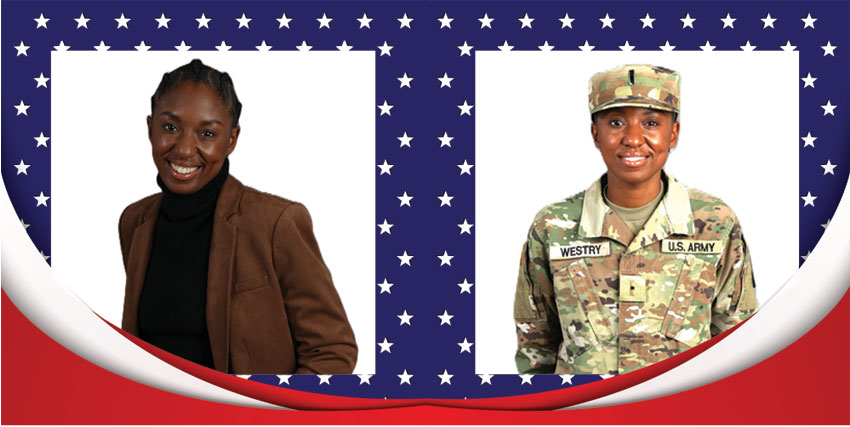
By Kristle Westry, HR Business Partner, ESPN
 As I sat in my TAP (Transition Assistance Program) class, a mandatory program designed to help military personnel transition to civilian life, the facilitator, a retired Army veteran, posed this question to the 25 of us Soldiers eagerly waiting for this day as it meant we were one step closer to our ETS date (Expiration Terms of Service). He says, "By a show of hands, how many of you have a job lined up post-separation?" I threw my hand up, but to my surprise, I was the only Soldier in the room with my hand raised. The mental gasp I felt in that moment had to be conveyed in my facial expression. As I sat in my TAP (Transition Assistance Program) class, a mandatory program designed to help military personnel transition to civilian life, the facilitator, a retired Army veteran, posed this question to the 25 of us Soldiers eagerly waiting for this day as it meant we were one step closer to our ETS date (Expiration Terms of Service). He says, "By a show of hands, how many of you have a job lined up post-separation?" I threw my hand up, but to my surprise, I was the only Soldier in the room with my hand raised. The mental gasp I felt in that moment had to be conveyed in my facial expression.
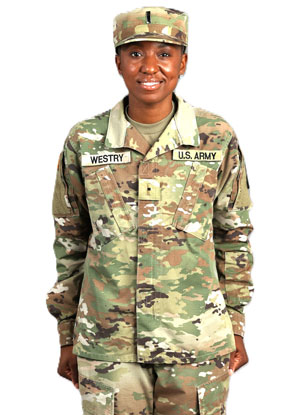
This TAP course came on the heels of a temporary active-duty assignment I took during a break in my corporate HR journey. I had been a "weekend warrior" with the military for over 10 years, a phrase we coin for our once-a-month commitment to drilling at our Reserve/National Guard Units of assignment. When I would report to my drills, I always felt compelled to make suggestions for enhancing Army HR processes and morale in my Units. Many of these recommendations were dismissed, primarily because my rank at the time led others to perceive my suggestions as presumptuous and non-conforming. As my peers would say, only escalate what your rank could handle. I knew that I needed a higher, more respected rank for my recommendations to land and for leaders to value my perspective. This is where I became determined to become a 420A (HR Technician) Warrant Officer (WO) in the military. I had never met a WO at this time in my career because it is such a specialized position, making up less than 3% of the total Army. WO's in the Army are technical experts and advisors to Commanders. Unlike traditional field grade officers who know a little about a lot, Warrant Officers are expected to know a lot about a little. Commanding has never been my goal; similar to my current role as an HRBP, as a WO, I can have more significant impacts by influencing multiple leaders who have the authority to invoke real change. If I wanted to be seen as a true partner to Commanding Officers and the Warrant Officer Cohort, I needed more than corporate HR experience; I needed an active-duty military assignment to truly show a polished, well-rounded perspective, having taken time to bridge the best practices from my arsenal of corporate and active-duty military skills.
 Back to the TAP class, I couldn't understand how these Soldiers did not have a civilian job lined up. The HR in me wanted to sit and have a one-on-one with each Soldier individually to understand the story. In the back of my mind, I could think of numerous employers who would offer jobs to these transitioning professionals. I wanted to pull up a LinkedIn job board, scroll, and show them all the opportunities that could be theirs. However, I also realized the challenges they might face in understanding how their military skills translate to civilian job requirements and the lack of resources available to them in this process. Soldiers need more than a resume builder; they need coaches, mentors, and visionaries of their value and potential. Back to the TAP class, I couldn't understand how these Soldiers did not have a civilian job lined up. The HR in me wanted to sit and have a one-on-one with each Soldier individually to understand the story. In the back of my mind, I could think of numerous employers who would offer jobs to these transitioning professionals. I wanted to pull up a LinkedIn job board, scroll, and show them all the opportunities that could be theirs. However, I also realized the challenges they might face in understanding how their military skills translate to civilian job requirements and the lack of resources available to them in this process. Soldiers need more than a resume builder; they need coaches, mentors, and visionaries of their value and potential.
After TAPs, I reentered corporate HR to attain the rank of Warrant Officer, support Soldiers in their transition to civilian workplaces, and modernize the transition process. To the Soldiers credit, one thing that I know is that all Soldiers anticipate separation dates from full-time military commitments. I could compare this anticipation to that of a civilian retirement as I think of the countdown clock that my mentor Wendi Kemp has on her desk, which is the coveted retirement date. I was this way, coming off that temporary active-duty assignment, but I was also the one with a longer-term plan. My experiences taught me not to leave one job without having another job. However, most Soldiers in that room wouldn't have that insight. Even if it were presented in a facilitated discussion, I don't think it would be comprehensible for a transitioning Soldier to grasp, knowing that most of them only see the countdown clock.
As HR professionals, we hold the superpower for these conversations. I see a future where civilian HR professionals can be more active in the TAP programs. HR professionals should be the ones conveying civilian job opportunities and facilitating navigation best practices. Civilian employers can make a significant impact by getting more involved with transitioning service members, connecting with local veteran transition centers, locating their nearest TAP programs, and creating partnerships to share their knowledge. Contact local military Unit Commanders, ask if your HR Teams can conduct a briefing for transitioning Soldiers, visit during their drills as "weekend warriors" to discuss openings or share best practices, and visit the local military recruiting station to ask for partnerships for their part-time Soldiers who need jobs. The transition time is critical, and HR professionals can make a difference.
I have conversations with numerous service
members and HR recruiters regarding skill translation and
resumes. I also happen to be the daughter of a corporate recruiter
who influenced my decision to become an HR professional. My
mom has called me numerous times inquiring about a veteran's
resume, a job position, and skill translation. She would say,
"Kristle, this candidate's resume says she's a Unit pay
clerk; what does that mean? What do they do?" I would
respond, "Oh, she's S-1". Then, I will describe
those technical skills based on my military experience and
my ability to articulate that role in a way that bridges my
understanding of HR and what a recruiter needs to know.
If a Soldier had to articulate those skills, in my opinion,
they would not be able to convey it in a way that displays
their value and the actual skill transfer to civilian roles.
I find it valuable for companies to have resources of current
or recently separated military members who can assist in translating
skills when military service is on a resume. I've found an
invaluable resource in my talent acquisition partner at my
current organization, a military spouse. Use your networks
and organizations with military contacts, such as C2HR,
as a resource.
Having a deep understanding of military ranks is invaluable in the hiring process. It helps you distinguish skills by rank when considering applicants, whether a Colonel or a Staff Sergeant. Understanding their responsibilities based on their rank ensures that veterans are applying for roles that fit their skill set well. I often have conversations with Soldiers advising that the military ranks don't carry as much weight outside the military, as some hiring managers may not understand the differentiation. However, becoming familiar with the military hierarchy could help identify highly qualified military professionals who are only being considered for entry-level positions.
I am proud to say I recently completed Warrant Officer Candidate School and was appointed as a WO in the Army on September 11, 2024. This new rank gives me a seat at the table to influence real change, embrace generational differences, and evolve with the Soldiers of today's Army. I'm honored to have the opportunity to bridge my unique experiences as a corporate professional and an Army Officer. I look forward to future opportunities to share my perspective and answering the "why" to the data/metrics for veteran initiatives within corporations. The Army has provided me and many others with a solid foundation, and I would be remiss if I didn't share the invaluable learnings of this journey.
Army Pride. Thank you for your support.
SHARE THIS ARTICLE

|