| |

The DEI Crossroads: Balancing Innovation with a Productive, Multigenerational Workforce
By Nikki Bethel, President and CEO, Emma Bowen Foundation
 In recent years, diversity, equity and inclusion (DEI) initiatives have become a cornerstone of modern workplace culture. But recently, these initiatives have come under immense scrutiny. In recent years, diversity, equity and inclusion (DEI) initiatives have become a cornerstone of modern workplace culture. But recently, these initiatives have come under immense scrutiny.
In reality, what began as a necessary movement to correct systemic imbalances has, in some cases, transformed into an ideology that stifles discourse, prioritizes optics over outcomes and creates unintended divisions among employees. These inadvertent results may well have contributed to a broader misunderstanding about DEI’s essential purpose. Companies now find themselves at a crossroads — how can they maintain a truly inclusive environment that fosters diversity without alienating talent or compromising business objectives?
The answer lies in recalibrating DEI efforts to reflect practicality, fairness and the realities of today’s multigenerational workforce. So let's not get caught up in what we call it — whether you see it as the new "didn't earn it" or the 1990s approach to solving what still ails us today as "diversity, equity and inclusion" or you move away from it completely and call it "access and belonging." The phrase really doesn't matter. As the saying goes: "You can put lipstick on a pig — it is still a pig."
Where DEI Has Gone Wrong
At its core, DEI aims to create workplaces where everyone has a fair shot at success, regardless of background. We could say it's Dynamic, Equitable and Innovative. However, many organizations have fallen into the trap of performative activism — adopting diversity quotas, mandating training programs with questionable effectiveness and fostering an environment where dissenting opinions on DEI are unwelcome.
One major issue is that some DEI initiatives prioritize identity over merit. Instead of fostering truly diverse thought, some programs focus solely on demographic representation, sometimes at the cost of hiring the most qualified candidates. This approach breeds resentment among employees who feel overlooked or undervalued, leading to decreased morale and increased turnover.
Another challenge is the emergence of “call-out” culture in the workplace. While accountability is essential, some DEI frameworks have created fear-driven environments where employees hesitate to engage in honest conversations. Constructive dialogue is replaced with self-censorship, which runs counter to the very inclusivity these initiatives are meant to promote.
Balancing DEI With a Productive, Inclusive Workforce
The goal should not be to eliminate DEI but to refine it. Organizations should focus on cultivating a culture of respect and inclusion without imposing rigid ideological frameworks that alienate employees. Here are some ways to strike that balance:
-
Merit and Diversity Can Coexist: Companies should prioritize hiring and promotions based on skills, experience and performance while maintaining outreach efforts that ensure underrepresented talent has equal access to opportunities.
-
Inclusive, Not Divisive, Training: DEI training should move away from blame-focused narratives and instead promote shared values such as teamwork, mutual respect and psychological safety. Encouraging open discussions where employees feel heard — without fear of retribution — is key.
-
Diversity of Thought Matters: True inclusivity means welcoming different perspectives, even when they challenge prevailing DEI norms. Encouraging diverse viewpoints fosters innovation and creates well-rounded teams.
-
Measure Impact, Not Just Optics: Instead of focusing on quotas, companies should track key indicators such as employee retention, engagement and collaboration across different demographic groups. These metrics provide a more accurate picture of an inclusive culture.
Debunking Gen Z Myths in the Workplace
As organizations recalibrate their DEI strategies, they must also address misconceptions about the newest generation in the workforce — Gen Z. Often labeled as entitled, job-hopping and overly sensitive, this generation is frequently misunderstood. This refined approach must challenge misconceptions about Gen Z while also embracing the strengths of each generation in the workplace.
While Gen Z employees do seek purpose-driven work, they are not inherently opposed to hard work or traditional corporate structures. What they demand is transparency, fair treatment and workplaces that align with their values. They also value professional development, flexibility and open communication — traits that can benefit organizations when properly managed.
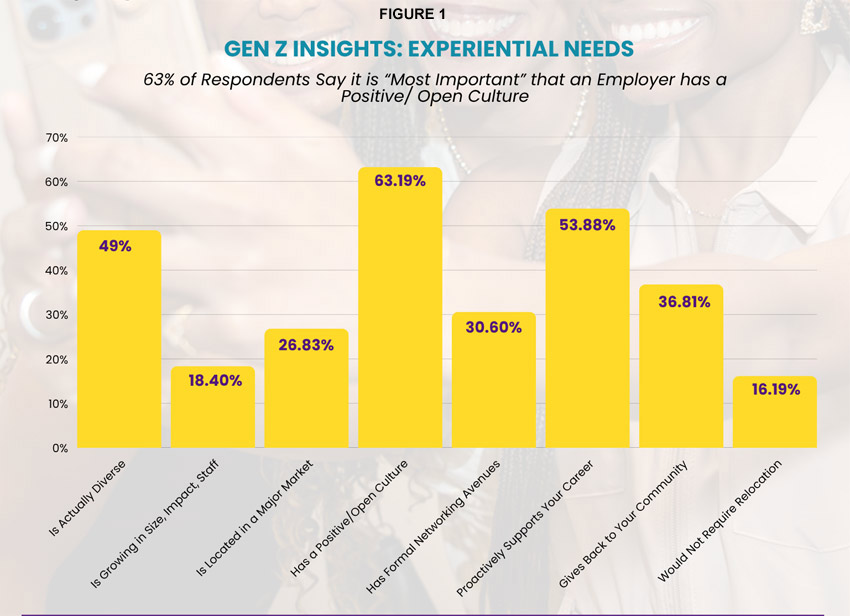
Recent findings from the Emma Bowen Foundation 2024 Career Ambitions Survey, designed to understand motivations and preferences of the next generation, highlight several key trends (see Figure 1). Regarding workplace experience, Gen Z identified an open culture (63%) and proactive career support (54%) as top priorities when evaluating potential employers.
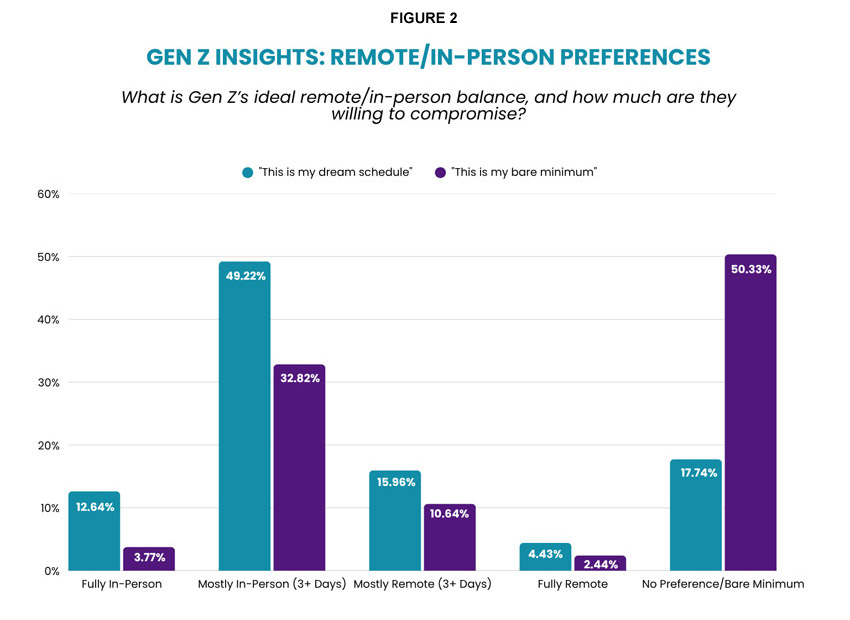
Also, to our surprise, 50% of respondents preferred a mostly in-person work model, indicating that while flexibility is valued, engaging work and a positive organizational culture take precedence (see Figure 2).
Rather than dismissing Gen Z as difficult, leaders should find ways to harness their strengths. Their tech-savviness, adaptability and commitment to social responsibility can drive innovation and improve workplace culture — provided they are integrated into multigenerational teams that mentor and guide them.
The Importance of Managing a Multigenerational Workforce
With Baby Boomers delaying retirement, Gen Xers holding senior leadership roles, Millennials driving the bulk of the workforce and Gen Z entering in large numbers, companies must manage four distinct generations — each with unique communication styles, motivations and expectations.
Successful organizations recognize that:
-
One-Size-Fits-All Policies Do Not Work: Flexible work arrangements, tailored professional development programs and varying management styles can help engage employees across generations.
-
Knowledge Transfer Is Critical: Older generations possess institutional knowledge that younger employees lack, while younger workers bring fresh perspectives and technological expertise. Facilitating mentorship opportunities benefits both groups.
-
Workplace Expectations Must Evolve: Baby Boomers and Gen X may prefer hierarchical structures, while Millennials and Gen Z value collaboration. You must realize quickly that they do not work for you; they are partnering with you. How do you apply that perspective in order to reframe your workplace culture? A balanced approach that incorporates both traditional and modern work dynamics fosters productivity and engagement. The chances of Gen Z staying with your organization will be closely tied to your company's engagement initiatives. For example, if you offer the ability to enjoy flex time, as we do not need to be in an office five days a week, you honor how much they value mental health and wellness breaks.
Conclusion: The Future of DEI and Workplace Culture
DEI is at a critical juncture. When implemented thoughtfully, it can create stronger, more cohesive teams. When executed poorly, it breeds resentment, division and inefficiency. To move forward, companies must pivot from rigid ideological approaches to practical, results-driven strategies that prioritize fairness, merit and inclusivity in the truest sense.
By managing generational differences effectively and fostering open dialogue, organizations can build workplaces where diversity is a strength, not a point of contention. The challenge is not choosing between DEI and a thriving workforce; rather, it is ensuring that DEI efforts contribute to, not detract from, workplace success.
SHARE THIS ARTICLE

|